Tracing Cross-Border Player Data: Shifts from Digital Slots to Regional Bingo Networks
Eden Hayes · Nov 17, 2026

Tracing Cross-Border Player Data: Shifts from Digital Slots to Regional Bingo Networks
Player activity across digital platforms generates extensive logs that researchers compile into aggregated datasets, and these collections expose movement in preferences between online slots and regional bingo networks that span multiple jurisdictions. Data trails form when users engage with games in one country then switch to another, often because regulatory changes or platform availability shift the options they encounter. Observers note that such patterns become visible when logs from operators in Europe, North America, and Asia Pacific combine without individual identifiers attached.
How Aggregated Logs Capture Preference Changes
Operators record session length, game type, wager amounts, and geographic markers before stripping personal details for analysis, which allows patterns to emerge across borders without violating privacy rules in most regions. Studies from institutions like the Australian Institute of Criminology have examined how these datasets track increases in bingo participation in markets where slots face tighter restrictions. Figures reveal that certain clusters of players reduce slot activity by measurable percentages while increasing time spent on bingo variants tied to local networks in Canada or Australia during the same periods.
November 2026 brought new licensing frameworks in several provinces and states that altered which games operators could promote, and aggregated logs captured corresponding spikes in cross-border traffic toward bingo options. Researchers cross-reference timestamps and IP ranges to confirm that users who previously favored slots now route through regional bingo servers at higher rates. This movement shows up as sustained growth in session counts rather than isolated spikes.
Regional Bingo Networks and Their Growing Footprint
Bingo networks tied to specific geographic areas maintain separate servers and prize pools that appeal to players seeking community elements or regulatory compliance advantages. Logs indicate that participation in these networks rises when digital slot access encounters delays due to verification requirements or market exits by major providers. Data from the Ontario Lottery and Gaming Corporation shows elevated log volumes linking users from multiple countries to bingo rooms hosted within provincial systems throughout late 2026.
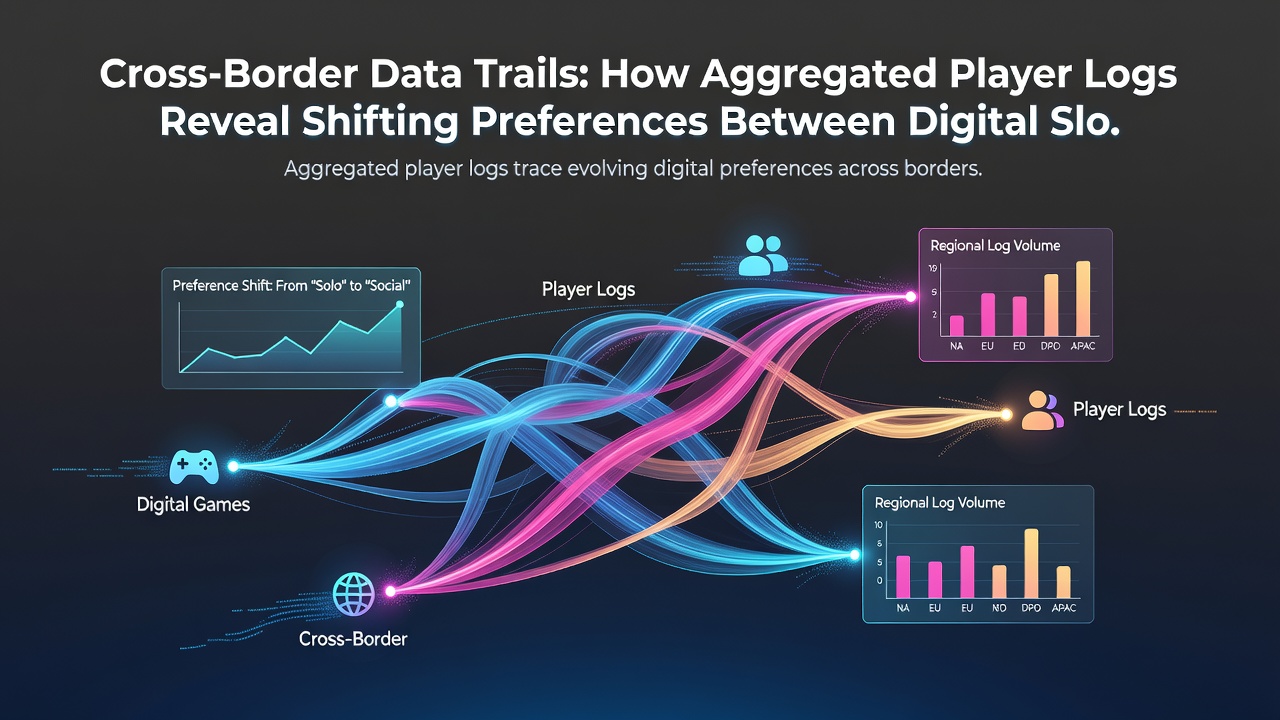
One analysis of European datasets found that players logging in from jurisdictions with slot payout caps redirected activity toward bingo platforms operating under different rules in neighboring areas. These shifts appear consistent across age groups tracked in the aggregated records, though total volume varies by time of day and promotional cycles. Industry reports compiled by the European Gaming and Betting Association document similar rerouting patterns when operators adjust game libraries in response to local legislation.
Factors Driving the Observed Transitions
Regulatory adjustments, payment processing changes, and device compatibility updates each contribute to the recorded preference movements. Logs show that players maintain accounts across multiple platforms yet alter their primary activity based on which game type loads faster or offers clearer compliance status in their current location. Academic papers from Canadian universities have modeled these transitions using anonymized data flows, confirming that bingo engagement climbs when slot reel speeds or bonus structures face new technical mandates.
Cross-border elements become clearer when datasets merge records from operators licensed in different countries, revealing that some users alternate between slots in one market and bingo in another within the same week. Such alternation produces distinct trail signatures that researchers isolate through frequency analysis rather than single-session snapshots. Evidence from aggregated sources continues to accumulate as more operators adopt standardized reporting formats.
Conclusion
Aggregated player logs therefore function as a practical tool for mapping preference evolution between digital slots and regional bingo networks across international boundaries. The patterns documented in 2026 datasets illustrate how regulatory and technical conditions influence where activity concentrates, and continued collection of such data will support further examination of these movements. Sources such as government gaming bodies and academic research centers provide the foundation for these observations without relying on individual user profiles.