Biometric Wristbands Bridge Live Dealer Signals and Custom Bingo Rewards Across Multiple Devices
Elena Hughes · Nov 3, 2026
Biometric Wristbands Bridge Live Dealer Signals and Custom Bingo Rewards Across Multiple Devices
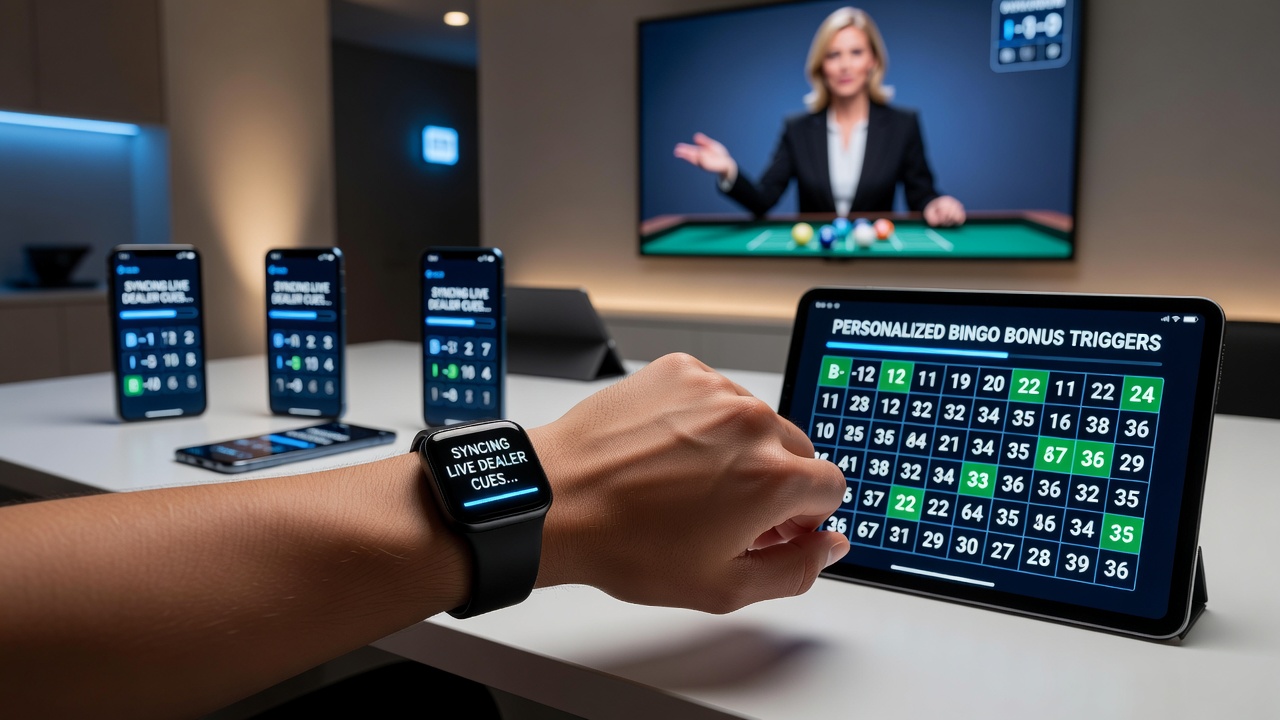
Biometric wristbands have entered online bingo platforms as sensors track physiological signals while live dealers conduct draws and the resulting data feeds directly into bonus allocation engines that activate across phones, tablets, and desktops in a single session. These devices measure heart rate variability along with skin conductance and subtle movement patterns, then transmit the readings through secure APIs that link dealer announcements to individualized reward sequences without interrupting gameplay flow.
Core Components of the Wristband System
Manufacturers equip the bands with optical heart rate monitors, electrodermal activity sensors, and accelerometers that sample data several times per second, after which onboard processors filter noise before sending encrypted packets to the gaming server. Live dealer studios capture verbal cues and card or ball reveals through dedicated interfaces, and matching algorithms align those events with the incoming biometric streams so that elevated arousal readings can prompt bonus multipliers or extra card grants at precise moments. Cross-device sessions maintain continuity because the central profile stores the biometric baseline and current game state, allowing a player to begin on a desktop and continue on a mobile device while the wristband maintains the connection without re-authentication.
Dealer Cue Synchronization Mechanics
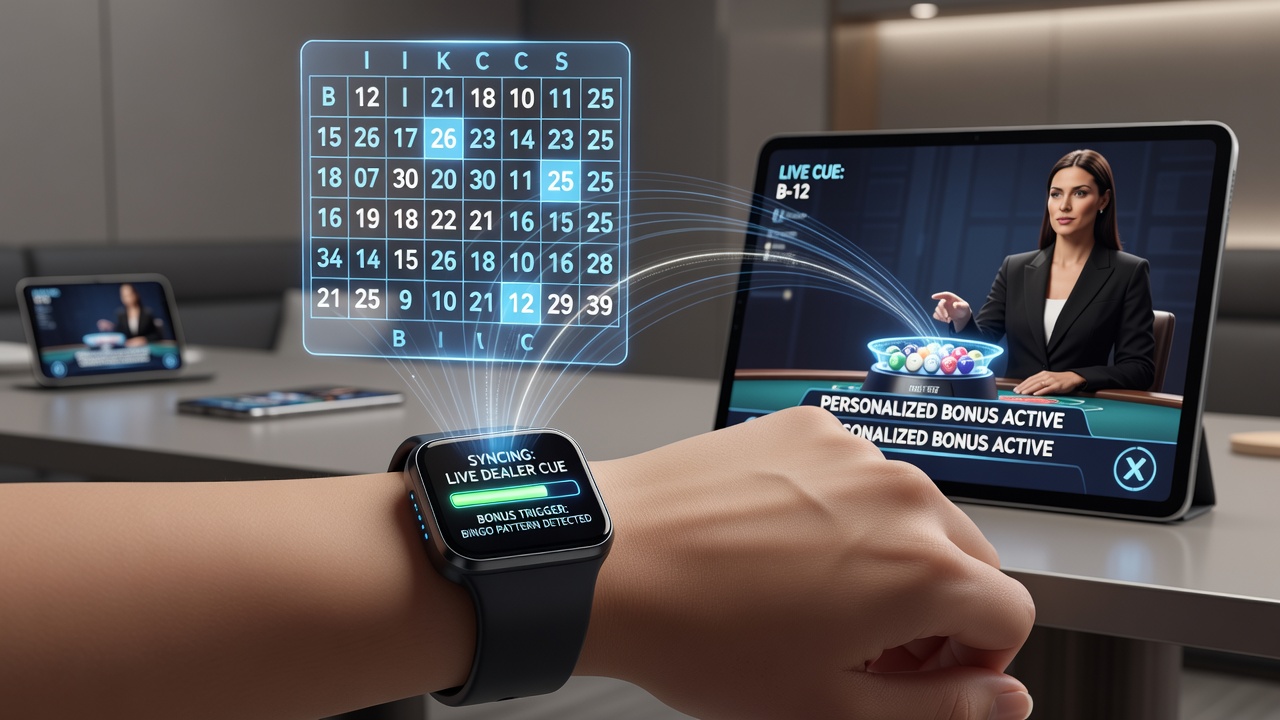
Studios broadcast dealer actions through low-latency video feeds and metadata tags that include ball numbers or card reveals, and the platform correlates these tags with wristband outputs in under 200 milliseconds according to technical specifications released by several platform providers. When a dealer calls a number that matches a player pattern, the system checks recent biometric trends and may issue a personalized trigger such as a free daub or bonus round entry, yet the decision logic remains server-side to keep outcomes consistent across all connected devices. Research from the University of Nevada Gaming Innovation Lab indicates that such alignments reduce perceived latency and support smoother transitions when users switch hardware mid-session.
Personalization of Bonus Triggers
Algorithms build individual profiles from repeated sessions by mapping baseline readings to specific game events, which means one participant might receive an extra card after a detected stress spike while another receives a multiplier following steady readings during the same dealer sequence. These profiles update continuously and respect data minimization rules required by regulators in multiple jurisdictions, including the Nevada Gaming Control Board and the Australian Communications and Media Authority. Observers note that the approach allows operators to deliver varied incentives without manual intervention, and the same wristband data stream supports session reminders that appear on whichever device the player currently uses.
Cross-Device Session Continuity
Session tokens travel with the biometric feed so that a player who starts a game on a laptop can pause, move to a tablet, and resume without losing accumulated triggers or dealer context, and the wristband serves as the persistent anchor that confirms identity and physiological state. Network tests conducted in late 2026 showed average handoff times under three seconds when switching between Wi-Fi and cellular connections, and the system preserves bonus eligibility windows during these transitions. Data from the European Gaming and Betting Association highlights that platforms adopting unified biometric profiles report higher session completion rates because players encounter fewer interruptions when changing devices.
Developments Observed in November 2026
By November 2026 several major bingo networks had completed pilot rollouts that combined wristband input with live dealer feeds, and early metrics showed consistent activation of personalized bonuses without altering base game probabilities. Regulatory filings in multiple regions documented compliance testing that verified encryption standards and audit trails for every biometric-to-bonus mapping. Those implementations also incorporated automatic pause functions triggered by anomalous readings, ensuring that any detected irregularities halt bonus processing until the player confirms continued participation on the active device.
Conclusion
The integration of biometric wristbands with live dealer cues and cross-device bingo systems represents a technical evolution that ties physiological monitoring directly to reward delivery while preserving regulatory oversight across jurisdictions. Continued refinement of sensor accuracy and server-side matching logic supports stable performance as more operators adopt the framework in the coming months.